Do I need a permit or Historic Preservation approval for a fence in Midtown Tulsa?
Yes. Midtown is in the City of Tulsa, so a fence permit is required, with a Zoning Clearance Permit for fences up to 7 feet or a Building Permit for taller. Rear and side yards allow up to 8 feet, while front and street setbacks and corner-lot front setbacks are limited to 4 feet, and a 35-foot sight triangle must stay clear. If your home is inside a Historic Preservation overlay, common around Swan Lake, Maple Ridge, and Yorktown, you also need Tulsa Preservation Commission approval. We help you confirm the current cost with the Tulsa Permit Center, since the city does not publish a flat fee.
How much does a fence cost in Midtown Tulsa?
It depends on the material, the length of the line, the height, and how much we work around trees and grade on your lot. A short ornamental iron run prices out very differently than a tall cedar privacy fence, so we do not quote a flat price. The best move is a free on-site visit, where we measure and give you a clear written quote for your specific property.
What fence material holds up best in Oklahoma weather?
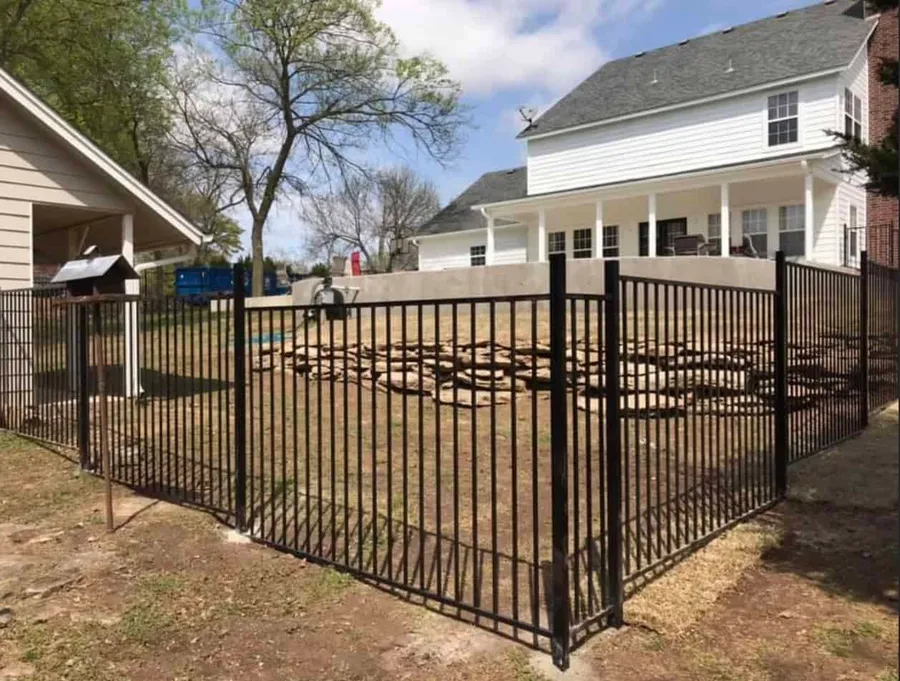
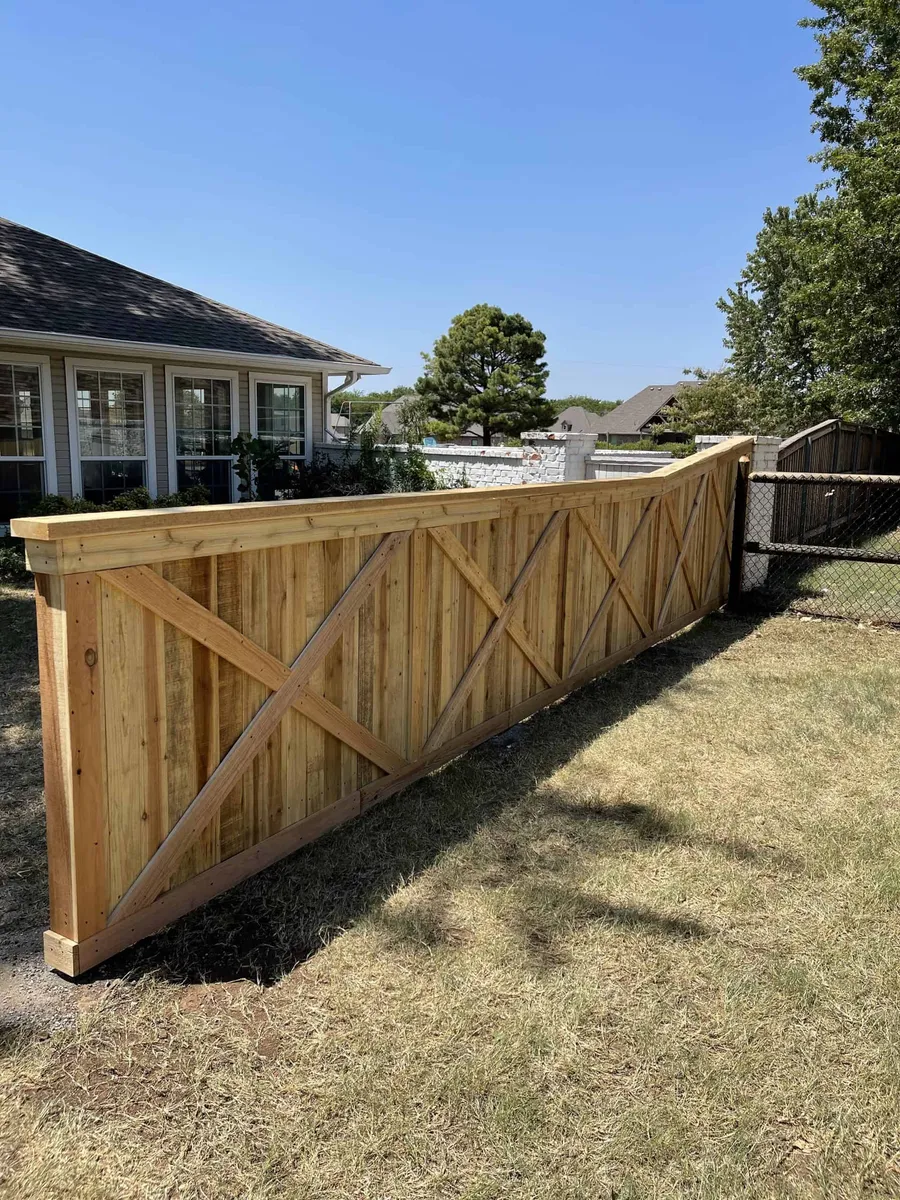
For Midtown, cedar and ornamental iron both do well when they are installed right. Cedar handles our heat and cold and resists rot when sealed, and ornamental iron and aluminum stand up to wind and sun with very little upkeep. The bigger factor is the install: proper post depth and concrete footings in our red clay are what keep any fence standing through Oklahoma storms.
Can you match a new fence to my historic Midtown home?
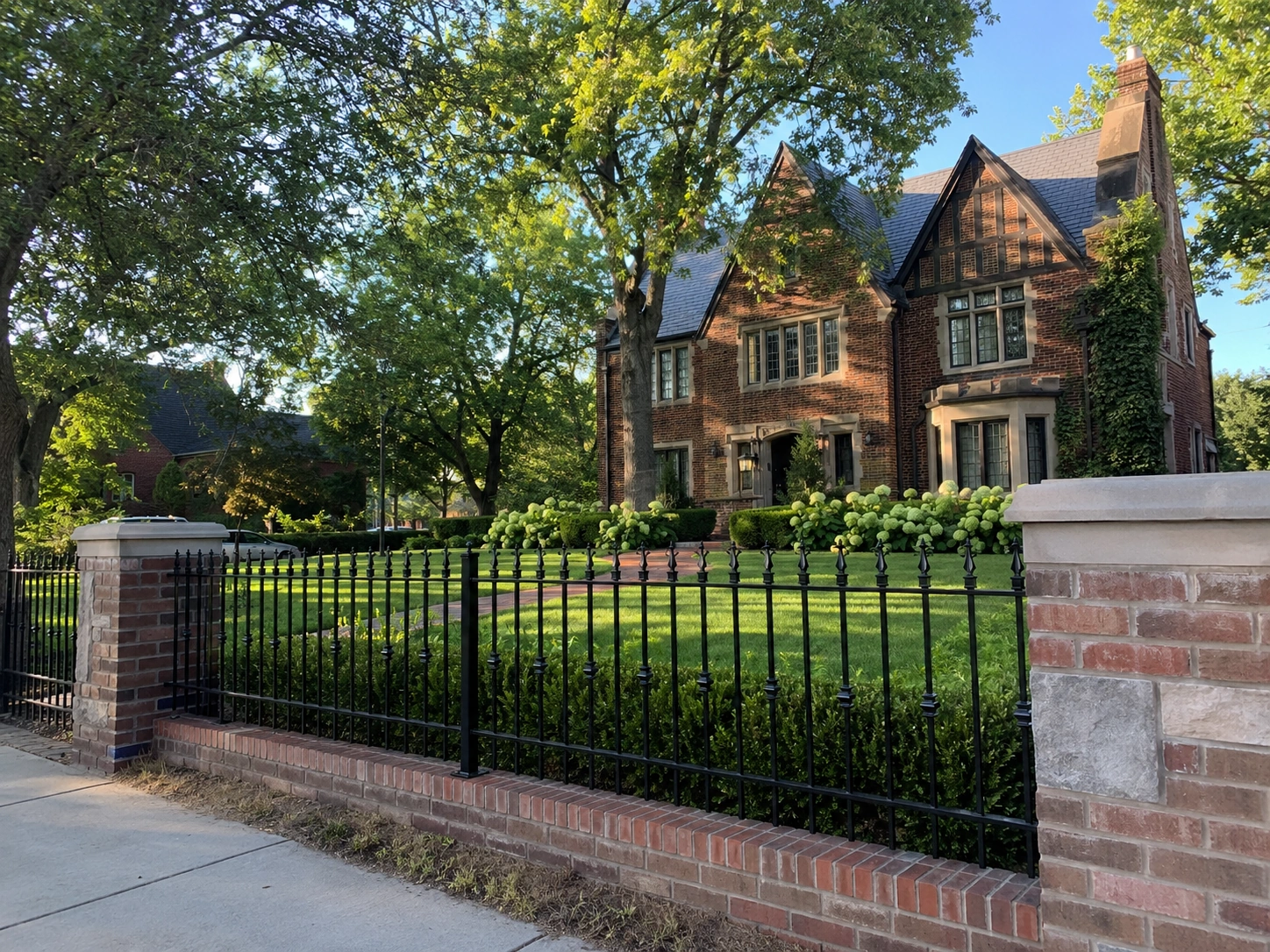
That is one of our favorite parts of working in Midtown. We look at the era and details of your home, then build custom wood or ornamental iron that fits the proportions and style rather than forcing a stock panel onto a vintage property. Around Maple Ridge, Swan Lake, and Yorktown, we also keep the design in line with what the Historic Preservation overlay allows.
How do you build a fence around the big trees on a Midtown lot?
Midtown lots come with mature oaks and elms and the large root systems that go with them. We adjust post spacing and hand-dig around major roots instead of cutting through them, which protects the tree and keeps your fence line straight and stable. If a root makes a post impossible in one spot, we plan the layout around it before we start.